Before We Wrap Up: IrisGo Marketing Internship 2026
IrisGo is the AI operating system (AI OS) that learns how you work and automates repetitive tasks across the apps and files you already use.
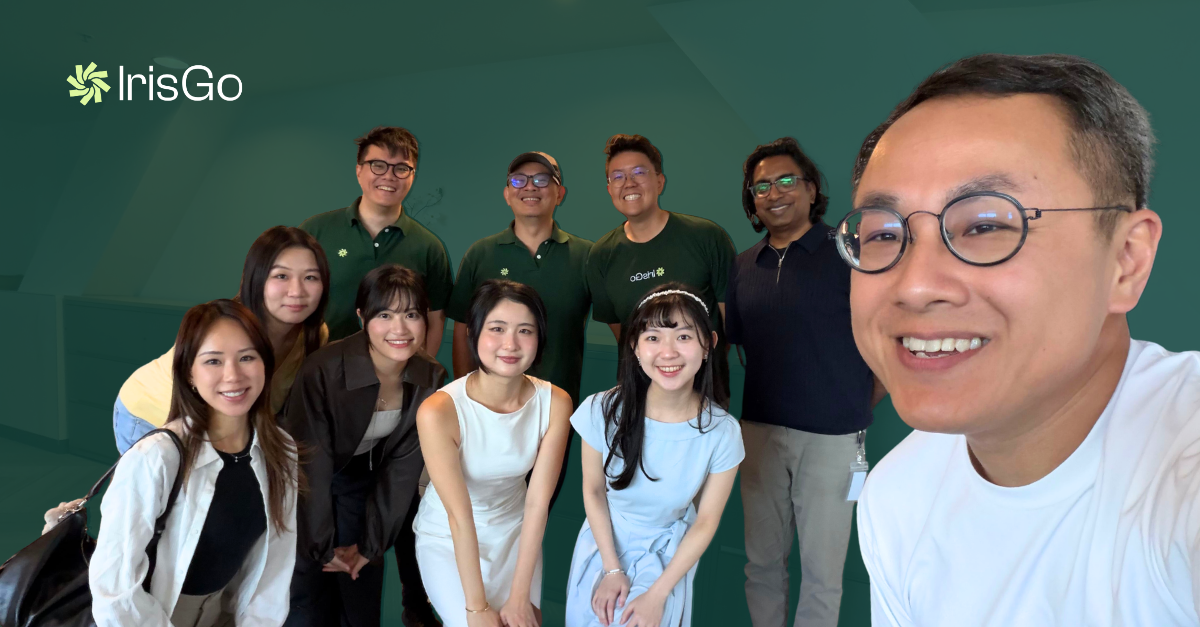
This summer, we were lucky enough to welcome five interns to the IrisGo Marketing team as Growth Generalists. Over the past few months, they jumped into projects across IrisGo: getting to know the product inside and out, testing use cases, and building on feedback with curiosity.
Before they head off to their next chapter, hear about the projects that mattered most to them, what surprised them along the way, and what they’re taking with them. Here’s what they had to say in their own words!
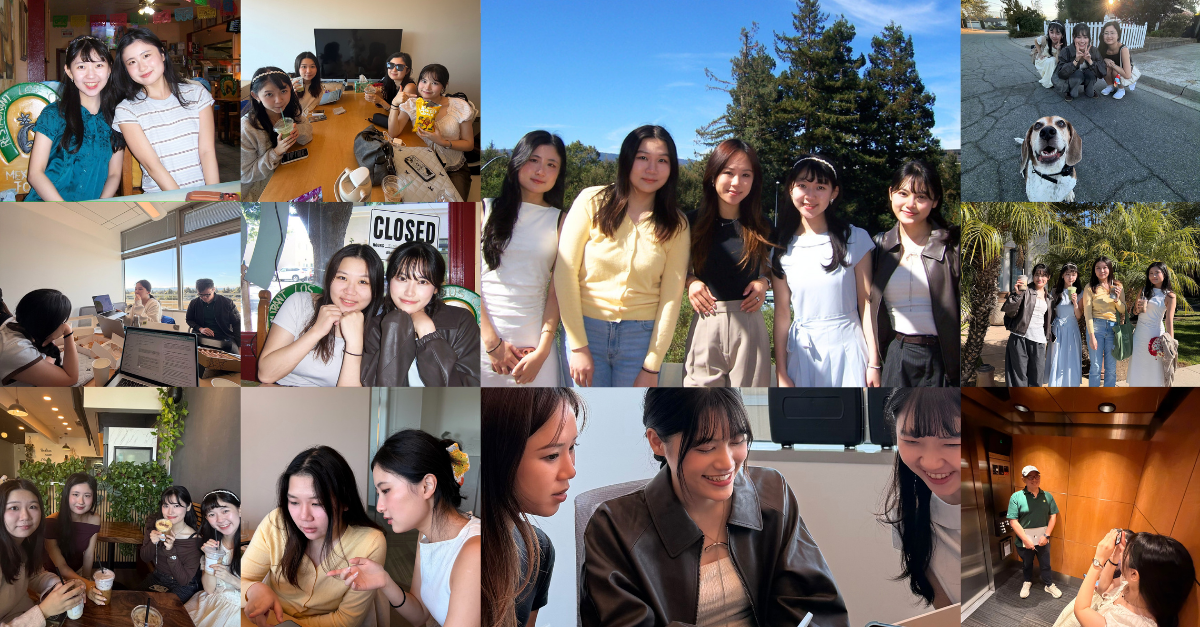
Meet the Interns!
Cynthia Yang & Jessie Kuo | Video Creation. Transformed event footage into dynamic vlogs, capturing key moments to drive audience engagement and translating abstract creative concepts into concrete visual storyboards using GenAI.
Paula Chen | Marketing Analytics. Built IrisGo's marketing dashboard from the ground up, using Google Analytics to track website traffic, social growth, and app downloads.
Sunny Chen | Social Media. Translated IrisGo’s messaging into platform-specific content across LinkedIn, Instagram, and X. Worked on social strategy, copywriting, and creative direction for social media, ranging from product use cases to events and reels.
Winnie Li | Content Marketing. Created blogs, guides, and website graphics. Explored content topics and product use cases.
1. When you joined IrisGo, what did you expect initially vs. What did your role actually look like?
“I came in expecting to write content, but quickly pivoted to video production. I focused on creating engaging short-form videos to grow our social media traffic.” — Cynthia
“When I first joined IrisGo, I thought we would mainly help edit videos that had already been filmed. Instead, we were responsible for creating the videos from scratch, including planning, filming, and editing. It was definitely a challenge at first, but it also became one of the most valuable experiences during my internship.” — Jessie
“I thought it would be a very high-pressure job, since startups move so fast. The pace was quick, but I got the space to own a whole project, building IrisGo's marketing analytics from the ground up, from GA4 and UTM tracking to a dashboard the team actually uses.” — Paula
“When I first joined IrisGo, I expected to focus on social media content such as writing captions, preparing posts, and keeping our channels active. In practice, the role became much more strategic than I expected. I had to think about how the same product story should be told on LinkedIn vs. Instagram vs. X.” — Sunny
“When I first joined, I expected to work more on data-driven marketing, but my actual role turned out to be much broader. I worked on things that sometimes felt closer to product management, such as planning content topics, exploring use cases, and giving ideas on what we could do next instead of executing assigned tasks.” — Winnie
2. If you could choose one project to represent your internship, which would it be?
“Directing the IrisGo interview videos during our Silicon Valley offsite. We planned a series of reels to film during our visit, but since I was the only Video Team member who attended the offsite, I directed the production—from setting, filming, designing the base of the reels, and assisting in editing. I felt inspired that I was able to build content to help our audience get to know the IrisGo team better.” — Cynthia
“IrisGo’s Brand Hook video. Since it was our first video, I spent a lot of time thinking about how to show our brand identity and core values. It was also my first time using AI to create a video, so I learned a lot throughout the process.” — Jessie
“My reporting automation. I turned a manual weekly routine of collecting traffic, social, and download metrics into a workflow that updates automatically, so the team always has current data without anyone compiling it by hand.” — Paula
“The social content around IrisGo’s AI Operating System (AI OS) positioning. A big part of my work was figuring out how to explain IrisGo clearly across different platforms. I worked on the copy, messaging, and creative direction for social posts across LinkedIn, Instagram, and X.” — Sunny
“The use case and user journey project. I started by coming up with different user topics using IrisGo. Those topics were later developed into content pieces and inspiration for my peers. It was interesting to see my own ideas become a starting point for other people's work.” — Winnie
3. What was something you learned by actually doing the work, rather than expecting it beforehand?
“In the beginning, I didn't anticipate any obstacles making AI-generated videos. However, after I tried to make one on my own, I found that it’s actually very challenging to get a satisfying one. You need to prompt clearly and accurately, yet the model still often misinterprets subtle motions or character consistency. It takes endless rounds of trial, error, and fine-tuning just to produce a few seconds of footage that actually match your vision.” — Cynthia
“I originally thought creating videos with AI would be pretty easy, but I quickly realized that communicating with AI and getting the results I wanted was harder than I expected. I also learned that it's important to maintain a consistent brand identity throughout the video, rather than just focusing on generating good visuals.” — Jessie
“I built my own personal content series on Instagram to drive more traffic to the IrisGo brand, and I learned that creating content means wearing every hat: director, photographer, editor, and strategist. I didn't really understand how much goes into one post until I had to do it all myself.” — Paula
“I learned how much editing matters in social content. My first instinct was often to include more context so everything felt complete. Over time, I got better at deciding what people really needed to know and what could be left to the visual or video. That made the content much cleaner and easier to follow.” — Sunny
“Working on blog content helped me understand how a brand can be built from its content at the very beginning. I used to think more about individual articles and whether the content itself was good. Through the internship, I started thinking about how different pieces of content come together to communicate what the brand wants people to understand.” — Winnie
4. What piece of feedback changed the way you worked?
“At first, I didn't pay much attention to brand consistency. However, through meetings and feedback from Rachel, I gradually understood how important it is over time, and I began to be more mindful when creating brand content.” — Cynthia
“Rachel often reminds me to pay attention to brand consistency, because people's impressions of a brand are often built through small details over time. At the same time, she constantly encouraged me to ask questions whenever I'm unsure and to speak up when I didn’t understand something. This helped me feel more comfortable learning, exploring, and trying new things.” — Jessie
“Early on, I was told my reports had a lot of numbers but didn't say what to do with them. Afterwards, I started every report with a short "so what," with takeaways, a suggested next step, and charts. It changed how I think about analytics. The goal isn't to show data. It's to help the team make an informed decision.” — Paula
“Early on, I sometimes approached social content by finding the clearest brand line and building around it. Rachel pushed me to go beyond repeating taglines or relying on vague buzzwords, and instead ask what we actually wanted people to understand from each piece of content.” — Sunny
“My supervisor gave me a lot of practical and specific feedback. Instead of just telling me whether something worked, she would point out what could actually be changed. I kept revising based on that feedback and eventually developed the work into a more complete guide. It taught me to treat feedback as part of the process rather than something that only comes at the end.” — Winnie
5. When did understanding the user matter most in your work?
“While working on use cases, I realized that if a product fails to deliver a seamless user experience or solve core pain points while competitors do, it simply cannot win over users.” — Cynthia
“Creating use case videos helped me understand the user journey by going through the workflow myself. It showed me the challenges users might face and taught me how important it is to present the process clearly through the video's pacing, visuals, and storytelling.” — Jessie
“When I built our tracking and dashboard. I learned that metrics only matter if they help you understand where users come from, what they care about, and what makes them take action. That insight also shaped my personal content series, where I used traffic data to create more of what our audience responded to.” — Paula
“Understanding the user mattered a lot when I was adapting the same topic across different platforms. People use LinkedIn, Instagram, and X very differently, so I had to think about what would make sense for each platform. That affected everything from the length of the copy to the hook, CTA, and even which part of the story I would focus on.” — Sunny
“This mattered most when I was creating instructional content. When I worked on the blog for connecting Google Workspace to IrisGo, I had to identify each step from the user's perspective and adjust the instructions to be easy to follow. It made me realize that even a simple step-by-step guide needs to be written around what the user actually sees and needs, rather than just how the product works internally.” — Winnie
6. What moment of working with someone else stands out to you?
“When we worked together in person in the Mountain View office. We usually work remotely, so when we had a chance to work with the team and see everyone in person, it was truly unforgettable!” — Cynthia
“Working with Cynthia on video projects. We'd bounce ideas off each other and build the scripts together. It made the whole process a lot more fun, and she's an amazing teammate.” — Jessie
“I want to thank my whole team and Rachel, my manager. They taught me so much, not only about the work but what it looks like when talented people are also kind. I'm very grateful to have learned from all of them.” — Paula
“One moment I remember was working with Rachel on social content and going through several rounds of feedback together. We would discuss very small details sometimes, like whether one line was too repetitive or whether a post needed more context. Those conversations helped me understand her thinking and made it much easier for me to make decisions on my own later.” — Sunny
“One thing that stood out was seeing my supervisor actually adopt some of the ideas I proposed. I wasn't only receiving tasks and completing them. I could bring up an idea, discuss it with the team, and sometimes see that idea become part of what we actually did.” — Winnie
7. Did this experience change how you think about AI products or working at a startup?
“The experience actually improved the perception I had of working at a startup, especially because my ideas were accepted and became content.” — Cynthia
“This was my first startup internship and my first fully remote work experience. Working with a global team taught me to be more proactive and self-disciplined. Since we’re an AI company, I also developed a habit of keeping up with the latest AI news and trends!” — Jessie
“Building my own automation showed me firsthand how AI can take repetitive work off people's plates so they can focus on what matters. I also learned that a startup's fast pace isn't just pressure; it's what gives you the chance to own real work and see your impact quickly.” — Paula
“It made me realize how much work goes into explaining a new AI product clearly. IrisGo is very different from most of the AI tools people are used to, so messaging became a big part of the challenge. I also got used to how quickly things can move in a startup, especially when the product and priorities are still evolving.” — Sunny
“I already expected a startup to be flexible and constantly changing. If anything, the experience confirmed that impression. Priorities can change quickly, and the work you end up doing may be different from what you originally expected.” — Winnie
8. If you could go back to your first week, what advice would you give yourself?
“Don’t think too much, and share ideas bravely.” — Cynthia
“Listen more, observe more, learn more, and be willing to try new things. Over time, you'll find the working style that suits you best.” — Jessie
“Appreciate everyone.” — Paula
“I would tell myself to spend more time understanding the product first. Once I became more familiar with IrisGo, writing content became much easier because I had a better sense of which details actually mattered. I probably spent too much time polishing individual lines in the beginning.” — Sunny
“Stay proactive, positive, and open-minded. You don't have to wait until everything is completely clear before you start exploring. Being willing to try something, ask questions, and stay open to changes can lead you to opportunities you didn't expect.” — Winnie
9. Any learnings from this internship you’ll take into your next project?
“I’m brave enough to share my ideas now. Because of my personality, I tend to consider whether an idea is realistic or not (and I usually turn myself down). But after working in startups, I started to understand that expressing my ideas brings many benefits. Even if an idea isn't feasible, it can still inspire others and turn into a new concept.” — Cynthia
“Like Cynthia, I believe communication is one of the most important skills in marketing. Whether you're communicating with customers or collaborating with your team, if you wait until you have the perfect answer before speaking up, you may never take that first step.” — Jessie
“I'll take with me the habit of starting with the question before the data, building systems that can be automated, and being willing to wear many hats to get something off the ground.” — Paula
“I learned to be flexible and take ownership of my work. Things can change quickly in a startup, so I got more comfortable adjusting my approach, making decisions on my own, and moving things forward without waiting for every detail to be defined.” — Sunny
“I learned how to look for possibilities even when a task seems straightforward at first. Instead of only finishing what is in front of me, I want to keep asking what else I can explore and how I can push the work forward on my own.” — Winnie
10. What would you want future IrisGo interns to know before starting their internship?
“Express your ideas bravely. IrisGo is a place that’s open to all kinds of thoughts.” — Cynthia
“You’ll meet a lot of amazing people here, so enjoy every moment of the journey. Stay curious, be proactive, and don't be afraid to try new things.” — Jessie
“It’s a journey of finding and learning about yourself. Have fun.” — Paula
“Come in ready to learn quickly and take ownership of your work. There’s quite a lot of room to make your own decisions, and you’ll probably work on things you didn’t expect in the beginning. Asking questions early also helps a lot, especially when you’re still getting familiar with the product and the team.” — Sunny
“Ask more questions and think more. Don't just focus on completing the task you are given. Try to understand why you are doing it, what problem you’re trying to solve, and whether there might be another way to approach it.” — Winnie
Join us!
I’m so grateful to Cynthia, Jessie, Paula, Sunny, and Winnie for everything they poured into IrisGo this summer — their ideas, curiosity, and hard work are woven into so much of what we’re building.
If reading their stories got you thinking “that could be me,” you’re in luck: we’re getting ready to open applications for our next round of Growth Generalist interns. Keep an eye on our LinkedIn and Instagram for updates, and get ready to bring your boldest ideas. We can’t wait to see what you’ll build with us.
— Rachel Lee
Marketing Manager, IrisGo
More from Guides & Ideas
Opens in a new tabFreelancing in 2026: From Solo Work to AI-Powered Workflows
The future of freelancing is here. Explore five trends for solopreneurs in 2026, from AI-powered workflows and outcome-based work to privacy and human control.
ExplainersHow to Connect Gmail, Google Drive, and Google Calendar to IrisGo
Learn how to link your Google Workspace to IrisGo. Access your emails, files, and schedules in one place.
ExplainersThe Anti-Prompting Cheat Sheet
Stop managing tools and start automating the grind. Discover 5 ways a hybrid, context-aware AI Operating System eliminates friction.