Freelancing in 2026: From Solo Work to AI-Powered Workflows
Freelancing has always been about flexibility. But in 2026, flexibility isn't just about grabbing a matcha and working from a café at 2 p.m.—it's also about jumping between projects, clients, and roles without losing your momentum.
You might spend the morning going through client feedback, the afternoon writing a proposal, and the evening chasing down an unpaid invoice. The actual work? That's only part of your day. Keeping track of everything around it takes just as much energy.
That's where AI is starting to help. Freelancers who use it are saving time, and those who aren't are getting left behind. And no, I don't just mean writing emails faster. Instead, AI is moving into your workflow itself. It remembers context across your tools and takes care of the busywork, so you can focus on the stuff that matters.
Here are five freelance trends for 2026 shaping how solopreneurs work.
1. Freelancers are moving from one-off AI prompts to an AI Operating System (AI OS)
Throwback to when using AI meant typing a request into ChatGPT, copying the answer, and pasting it somewhere else. It saved a little time, but you still had to explain the context every time. And with a handful of clients, that turns into admin work of its own.
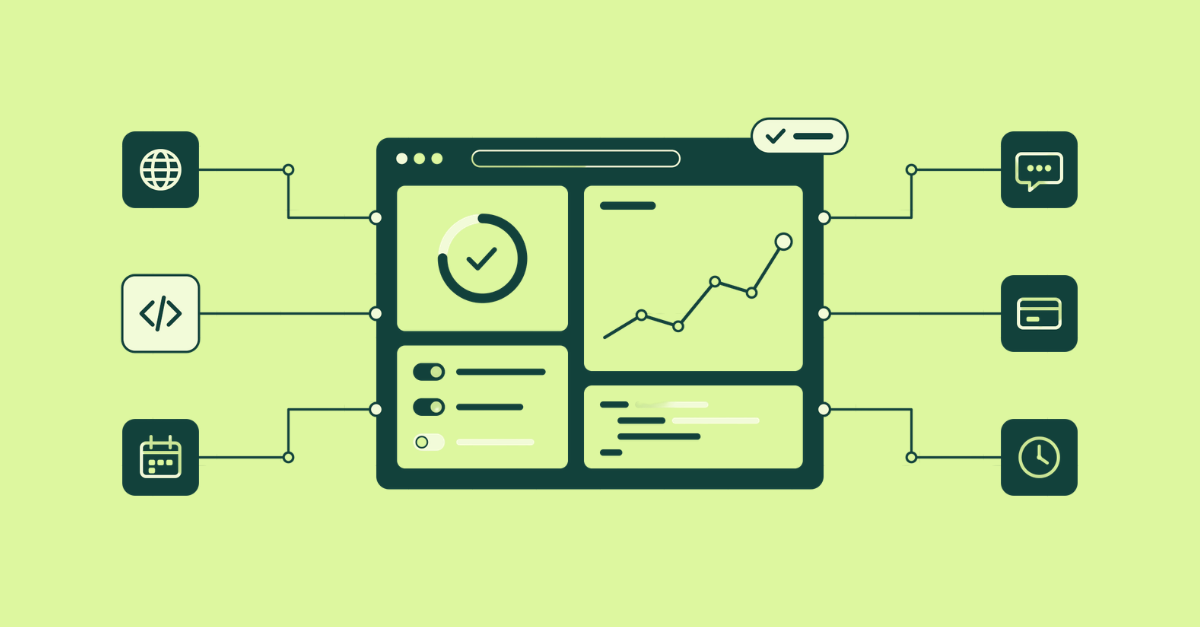
These days, freelancers are switching to an AI operating system (AI OS). Think of it as an intelligence layer across your whole computer, not a chat window you keep going back to. It already knows which project you're working on, where your files are, and what comes next. When you're juggling five clients, that's a big deal.
2. Outcome-based work: Clients care about results, not hours
Here's the thing: when AI makes tasks faster, billing by the hour starts to feel a bit off. Your client doesn't want ten hours of research. They want a clear answer. They don't want design hours. They want a brand that works.
So your judgement and your ideas become the real product. Your proposals change too. Instead of a list of tasks, you're explaining the result you'll deliver and how you'll get there. Let AI handle the status updates and file sorting, and spend your time on the work and on your clients.
3. Your client data and project context are worth protecting
Think about everything you know about a project: notes from the kickoff call, the examples your client loved, that one email about the scope of work, folders full of research, and more. Those are what make your work feel thoughtful (and the first things to go missing when it's spread across a dozen apps).
An AI OS that keeps track of all this = no more digging through old messages or explaining the project all over again. You still make the calls. You just get there faster.
One important note: privacy matters. Your laptop is full of contracts, client data, and work nobody's seen yet. Look for a hybrid setup that keeps your personal context on your device and only sends the heavy processing to the cloud. You get all the power without giving up control.
4. Freelance workflow automation: One person can do a lot more now
If you freelance, you already run a small business. You find clients, do the work, send invoices, and follow up—all on your own. What's changing is how much (and how well) you can keep on top of it.
Imagine you're wrapping up a project: You confirm the final deliverables, organize everything, draft up an email, jot down loose ends, and set a follow-up reminder. None of it's hard, but it becomes tedious when multiple client accounts are involved.
Now imagine those tasks lined up for each client by your AI and awaiting your approval. Sounds nice, right? The same workflow could be done for onboarding, weekly check-ins, meeting prep, and invoices.
With IrisGo's Watch & Learn feature, you can record a repetitive workflow once and never have to do it manually again. Imagine what it'd be like if the most dreadful and boring part of your workday were automated with a one-time setup.
5. Human-in-the-loop AI: You stay in control
As AI takes on more of the execution, you need to know what it's doing with your information and where human approval is still required.
This matters for client relationships as well. A freelancer may use AI to prepare research, organize materials, or draft a reply, but is still responsible for the quality and accuracy of the final output. These days, most clients care less about whether AI was involved and more about whether the process was reliable, secure, and handled professionally.
TL;DR: the strongest AI workflows don't take you out of the loop. They make the review points obvious, let you manage permissions, and handle the heavy lifting of manual work while you stay in control of what gets sent, changed, or finalized.
For freelancers, trust and judgement aren't just technical boxes to tick off. They're a crucial part of the value you bring.
What the future of freelancing means for you
Going forward, those who come out ahead won't be the ones with the most AI tools. They'll be the ones who protect their focus—finding a solution and setup that remembers context, works across the apps they already use, and gets things done without taking over.
Scale your solo business with an AI OS
IrisGo sits on top of your existing operating system, learns how you work, and moves across your apps to turn repetitive tasks into automated workflows.
You don't need another tool to manage. You need more time for the work only you can do. So pick one task you do over and over, and let your AI OS take it from there. Try IrisGo for free.
— Rachel Lee
Marketing Manager, IrisGo
More from Guides & Ideas
Opens in a new tabBefore We Wrap Up: IrisGo Marketing Internship 2026
Our 5 summer marketing interns share the projects, surprises, and lessons that shaped their internship at IrisGo.
ExplainersHow to Connect Gmail, Google Drive, and Google Calendar to IrisGo
Learn how to link your Google Workspace to IrisGo. Access your emails, files, and schedules in one place.
ExplainersThe Anti-Prompting Cheat Sheet
Stop managing tools and start automating the grind. Discover 5 ways a hybrid, context-aware AI Operating System eliminates friction.